Queue Management System in Karachi: A Practical 2026 Guide
Investing in a queue management system in Karachi is one of the smartest moves a growing business can make in 2026. From bustling bank branches on I.I. Chundrigar Road to busy telecom outlets and hospital reception halls, Karachi’s sheer footfall means disorganised lines cost real money every single day. A modern queuing platform tames that chaos, shortens waits and turns crowded counters into smooth, measurable operations. This guide explains how it works, what to look for, and how it connects to wider service technology like drive-thru systems.
Karachi customers are patient — but not infinitely so. Give them a clear ticket, an honest wait estimate and a calm environment, and they stay, spend and return. Here is how to make that happen.
Why a Queue Management System in Karachi Is Essential
Pakistan’s largest city runs on volume. During peak hours, a single branch can process hundreds of visitors, and manual line management simply cannot keep pace. A queue management system in Karachi replaces the physical scrum with digital tickets, live counter displays and SMS updates, so customers know exactly where they stand.
Deploying a queue management system in karachi gives even high-volume branches a way to stay calm and organised through the busiest hours. The impact is immediate. Wait perception drops, staff stress falls, and managers finally get data on when their rushes actually happen. In a competitive market where service reputation spreads fast on social media, that organised experience becomes a real differentiator.
The local context
Karachi’s mix of banking, healthcare, telecom and government services means demand patterns vary widely by sector. The best systems let you configure service categories and routing to match your specific customer flow rather than forcing a one-size-fits-all queue.
Consider a typical utility payment centre. Without a system, everyone joins one long line regardless of what they need, so a simple bill payment sits behind a complex account query. A configurable queue splits these streams, letting quick tasks flow through an express counter while complex cases get dedicated time. The result is a fairer, faster experience for everyone in the hall.
Key Features Worth Paying For
When comparing vendors for a queue management system in Karachi, prioritise the features that genuinely move the needle:
- Urdu and English support across tickets and signage.
- SMS and mobile ticketing so customers wait comfortably, not in a crowd.
- Real-time analytics on wait time, service time and no-shows.
- Appointment scheduling blended with walk-in flow.
- Multi-branch dashboards for chains operating across the city.
- Reliable local support with fast on-site response.
Choosing quality service providers who offer strong after-sales support matters as much as the software itself. A brilliant platform with slow support will frustrate you the first time a screen fails during peak hour.
Comparing Queue System Options in Karachi
Different businesses need different setups. The table below maps common options to typical Karachi use cases and 2026 budget ranges.
| Option | Ideal User | Approx. Cost (PKR) | Highlight |
|---|---|---|---|
| Basic token kiosk | Small clinics, shops | 150,000 – 350,000 | Fast, simple setup |
| SMS virtual queue | Telecom & retail | 400,000 – 900,000 | Less in-branch crowding |
| Enterprise suite | Banks, hospitals | 1,000,000+ | Full analytics & APIs |
From Indoor Queues to the Drive-Thru Lane
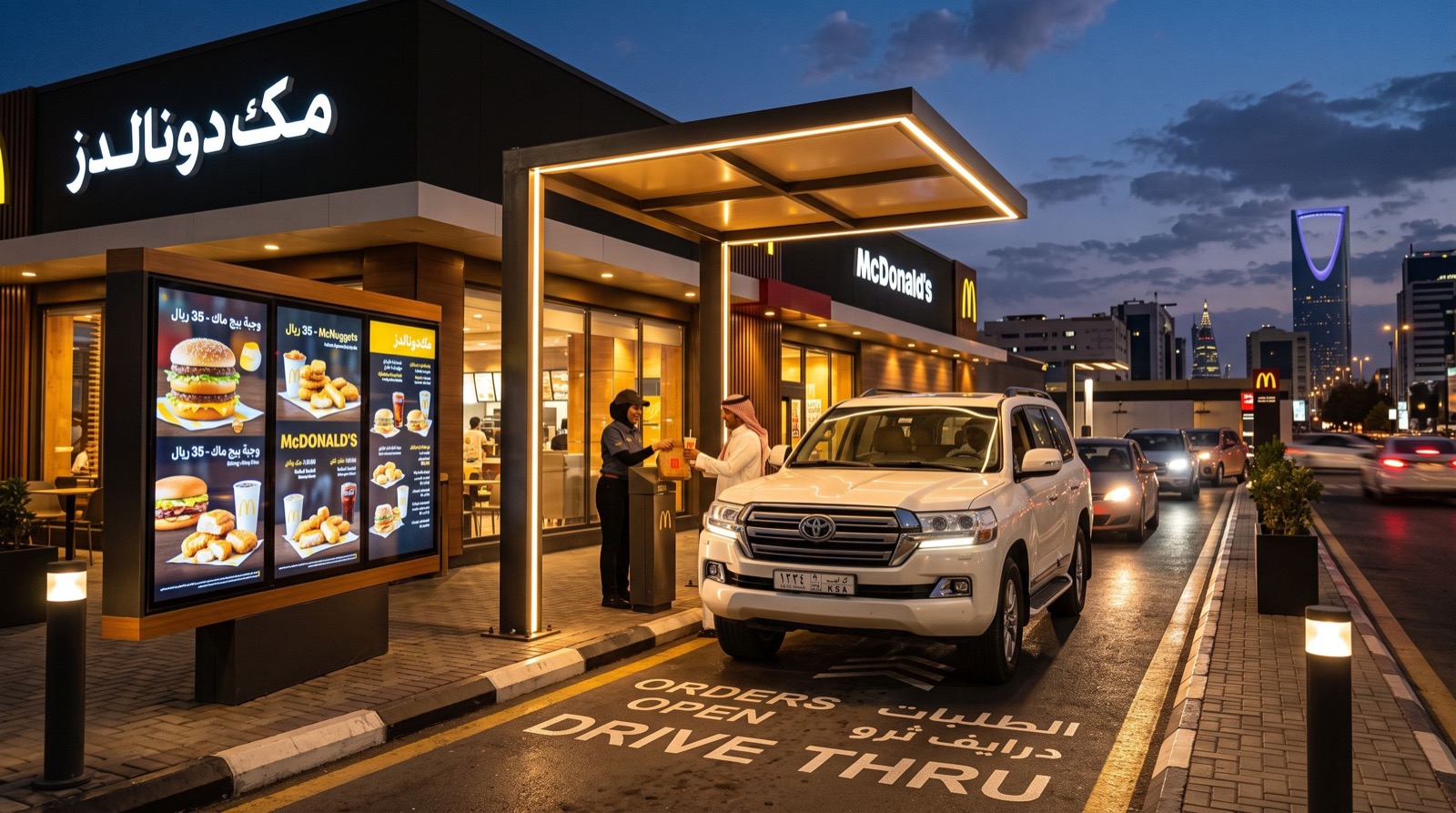
Queue management thinking does not stop at the front door. The same principles that streamline an indoor line power modern outdoor service lanes. Businesses expanding into quick-service formats increasingly pair in-branch queuing with Drive-thru Systems in Saudi Arabia and the region, where clear headset audio and order-timing displays keep vehicles moving.
The lesson for Karachi operators is that waiting is a system to be designed, whether the customer is standing at a counter or sitting in a car. Treating both with the same data-driven discipline delivers a consistent, professional brand experience.
An original efficiency tip
Here is a practical insight from live deployments: route your fastest, highest-volume transactions to a dedicated express counter. Splitting quick tasks from complex ones can cut overall average wait time by a third — often without adding a single staff member.
How to Roll Out Your System Successfully
A disciplined rollout protects your investment. Follow this proven sequence:
- Baseline your queues. Track waits for a week before buying anything.
- Define categories. Separate express from complex services.
- Select the right tier. Use the comparison table to match budget and footfall.
- Install and test. Position kiosks, screens and audio for clear flow.
- Train your team. Practise before go-live day.
- Review weekly. Tune routing using dashboard data.
Per Gartner technology guidance, phased rollouts with clear baselines consistently outperform rushed, big-bang launches. Prove the concept at one branch, then scale with confidence.
Common Mistakes to Avoid
Even a great platform can underdeliver if the rollout is careless. Watch for these frequent pitfalls that trip up Karachi businesses:
- Skipping the baseline. Without before-and-after data you cannot prove ROI.
- Overcomplicating categories. Too many ticket types confuse customers and staff alike.
- Ignoring staff buy-in. Teams that fear the technology quietly bypass it.
- Neglecting maintenance. A frozen screen at peak hour undoes weeks of goodwill.
Avoiding these traps is largely about preparation and partner choice. A vendor who trains your team properly and responds fast to faults is worth more than one who simply sells the cheapest box.
Measuring Success
Track these numbers from day one to prove your queue management system in Karachi is delivering:
- Average and peak wait times.
- Customer satisfaction at point of service.
- Walkout and no-show rates.
- Staff utilisation during rushes.
Frequently Asked Questions
How much does a queue management system in Karachi cost?
Basic token kiosks start around PKR 150,000, while enterprise suites for banks and hospitals can exceed PKR 1,000,000. Your footfall, branch count and integration needs set the final figure.
Can customers wait outside the branch?
Yes. SMS and mobile virtual queuing lets customers take a ticket, track their position remotely and return just before their turn, easing in-branch crowding significantly.
Is local support available in Karachi?
Reputable providers offer on-site installation, training and fast support across Karachi. Prioritise vendors with a proven local response record before you commit.
Does it support Urdu?
Quality platforms provide full Urdu and English interfaces for tickets, signage and SMS, which is essential for serving Karachi’s diverse customer base effectively.
Conclusion
A well-implemented queue management system in Karachi transforms crowded, unpredictable counters into calm, efficient and data-rich operations that customers genuinely appreciate in 2026. From bilingual ticketing and virtual queuing to the same principles powering modern drive-thru lanes, the tools are affordable, proven and ready to deploy.
Ready to end the chaos at your counters? Baseline your queues this week, choose a platform that fits your footfall, and give your Karachi customers the fast, respectful service that keeps them loyal.