Storage unit sizes in Saudi Arabia can be confusing when you are staring at a price list wondering whether you need a locker or a full warehouse bay. Getting the size right is the single biggest factor in what you pay each month, so a little planning goes a long way in 2026. Whether you are storing a few household boxes, a wholesaler’s pallets, or a retailer’s seasonal stock, this guide explains how to measure your needs, compare common sizes, and avoid paying for empty space you will never fill.
The golden rule is simple. Match the cubic metres to the load, add a sensible buffer for access, and never guess. Under-renting leads to crushed boxes and blocked doors, while over-renting quietly drains your budget every month.
Understanding storage unit sizes
Facilities usually describe units by floor area, but the smart move is to think in three dimensions. Height matters just as much as footprint, because good shelving lets you stack upward and use every cubic metre you are paying for.
Small lockers suit a handful of boxes or seasonal items. Medium rooms handle a one-bedroom home or a small business archive. Large units and bays serve full households, pallets, and commercial inventory. Knowing which band you fall into stops you overshooting.
| Unit Size | Roughly Equivalent To | Typical Use |
|---|---|---|
| Small (1–3 m²) | A large wardrobe | Boxes, documents, seasonal gear |
| Medium (4–8 m²) | A one-bedroom flat | Furniture, appliances, archives |
| Large (9–15 m²) | A two-bedroom home | Full household, small business stock |
| Bay (15 m²+) | A garage or warehouse bay | Pallets, bulk retail, vehicles |
What drives storage costs in Saudi Arabia?
Price is never just about size. Several factors combine to set your monthly rate, and understanding them helps you spot fair value versus an inflated quote.
Temperature control is the big one in this climate. A dry, humidity-managed room costs more than a bare standard unit, but it protects goods that heat would otherwise ruin. Businesses handling paper, textiles, or electronics in the capital often choose dedicated Dry Storage in Riyadh precisely because the protection pays for itself.
- Unit size: The core driver of your monthly rate.
- Climate control: Dry and chilled cost more than standard.
- Location: Prime city sites carry a premium.
- Access hours: 24/7 entry may add a small fee.
- Contract length: Longer terms often unlock discounts.
How do I estimate the right size myself?
You do not need a professional surveyor to get this right. A tape measure, a notepad, and twenty minutes are enough to produce a solid estimate that keeps you from over-renting.
Walk through your items, jot down the footprint of anything bulky, and count your boxes. Then add roughly a quarter extra for an aisle and airflow. In a hot climate, that breathing room also helps prevent heat pockets and condensation.
- Photograph and list every large item.
- Estimate total box count and average box size.
- Decide how high you can safely stack with shelving.
- Add a 25 percent buffer for access and ventilation.
- Match the total to the nearest available unit.
Storage for wholesalers and retailers
Commercial storage follows different maths. Volume, turnover, and delivery access all shape the ideal setup, and getting it wrong can choke your supply chain.
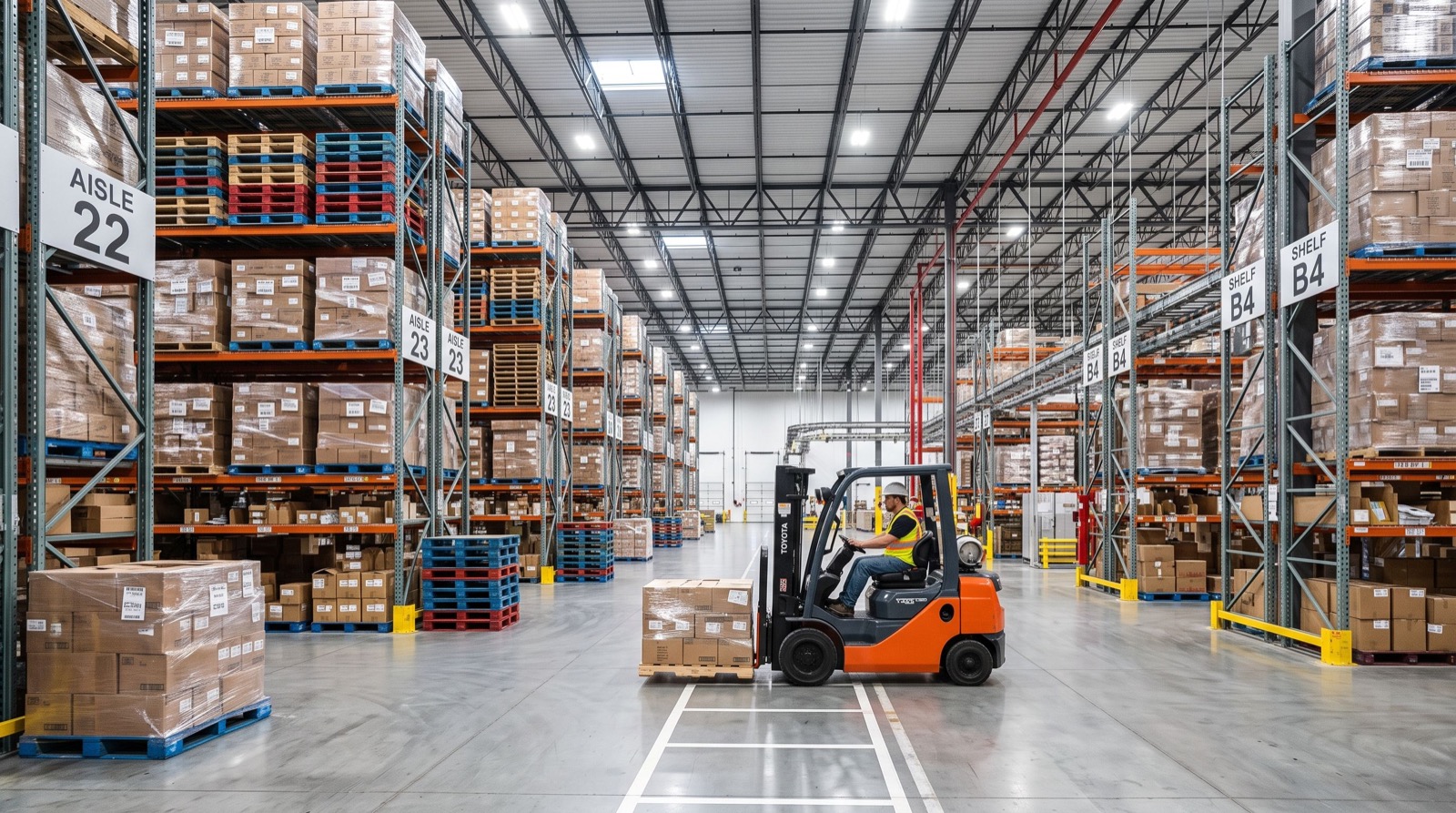
Traders moving pallets and bulk stock benefit from larger bays with easy loading access. Purpose-built Storage for Wholesalers and Retailers often includes wide doors, forklift-friendly aisles, and flexible terms that scale with seasonal demand. According to the International Organization for Standardization, standardised pallet and container dimensions make it far easier to plan storage layouts and maximise usable space.
Partnering with an experienced local team that understands commercial logistics helps you pick a size and layout that keeps stock moving rather than gathering dust.
Small unit versus large unit: which saves more?
It is tempting to rent big and never worry about running out of room. Yet in practice, a smaller unit paired with clever organisation almost always wins on cost. The secret is using height and eliminating dead space rather than paying for extra floor area you barely touch.
Picture two renters with identical belongings. One takes a large unit and stacks loosely, leaving half the room as empty air. The other picks a medium unit, adds shelving, and stacks to the ceiling. The second renter pays noticeably less every month for exactly the same goods, and the savings compound over a year.
From helping people right-size their storage, the lesson repeats itself. Most people overestimate what they need by a full size band. Measure carefully, commit to vertical stacking, and you can often drop a tier without sacrificing a single item.
| Approach | Space Used | Relative Cost |
|---|---|---|
| Large unit, loose stacking | ~50% wasted | Highest |
| Medium unit, shelved | ~90% used | Lower |
| Small unit, over-packed | Cramped, risky | Cheapest but damaging |
Tips to keep your costs down
A few habits shave real money off your storage bill without sacrificing safety. The best savings come from disciplined packing and honest size choices.
- Use uniform boxes so they stack neatly and waste no space.
- Go vertical with shelving instead of renting a wider unit.
- Declutter before you move so you store only what matters.
- Review your unit size every few months as your needs change.
- Ask about long-term or off-peak discounts.
Frequently Asked Questions
What size storage unit do I need for a one-bedroom flat?
A medium unit of roughly four to eight square metres usually holds the contents of a one-bedroom home, including furniture and boxes. Measure your bulky items first to confirm before booking.
Why does climate-controlled storage cost more?
Managing temperature and humidity requires extra equipment and energy, especially in Saudi Arabia’s heat. The premium protects sensitive goods like electronics, documents, and textiles that standard units would damage.
Can I change to a bigger or smaller unit later?
Most facilities let you transfer to a different size as your needs shift. Ask about their transfer policy upfront so you can scale up or down without penalty.
Is it cheaper to rent long-term?
Often, yes. Many providers offer discounts for longer commitments or off-peak periods. If you know you will need storage for months, ask about extended-term rates before signing.
Getting the size and price right
Choosing the correct storage unit size in Saudi Arabia is the fastest way to control what you pay while keeping your belongings safe. Measure honestly, factor in the climate, and remember that a slightly smaller unit with smart shelving often beats a bigger, half-empty one. In 2026, thoughtful planning turns storage from a grudging expense into genuine value.
Ready to stop guessing? Measure your load, compare the size bands above, and reserve a unit that fits your goods and your budget. The right size today means no wasted riyals and no crushed boxes tomorrow, so plan your space and book with confidence.